Frontend
React
JavaScript
Material UI
HTML/CSS
Blazor
I've worked on a variety of projects, from simple websites to complex web applications. Here are a few of my favorites.
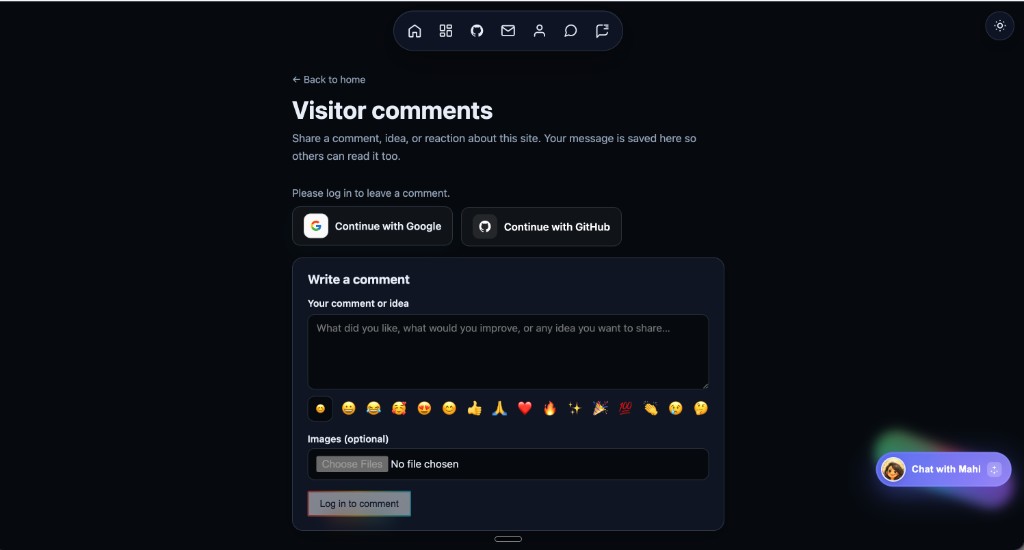
Problem: I did not have a dedicated platform to showcase my work, skills, and experience in one place.
Approach: I built a personal site with portfolio case studies, contact flow, Neon Auth comments (Google/GitHub) with private image uploads, and a Gemini-powered AI assistant.
Results: Production site on Vercel with social login, visitor feedback, and MDX project write-ups.
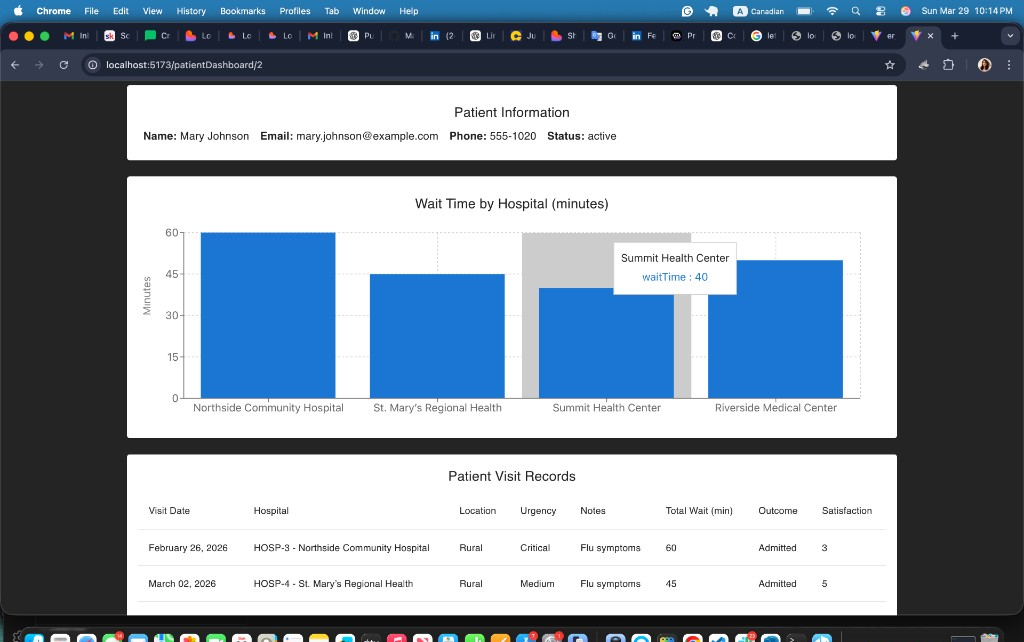
Problem: Patients visit ERs blind to live wait times; capacity is opaque, so crowding and underuse happen side by side.
Approach: Full-stack app where facilities own their data; patients get a ranked, location-aware list sorted by average wait, with waitlists that update as they choose a site, plus history dashboards.
Results: Working prototype with dynamic re-ranking, real-time patient decisions, and admin visibility into visits.
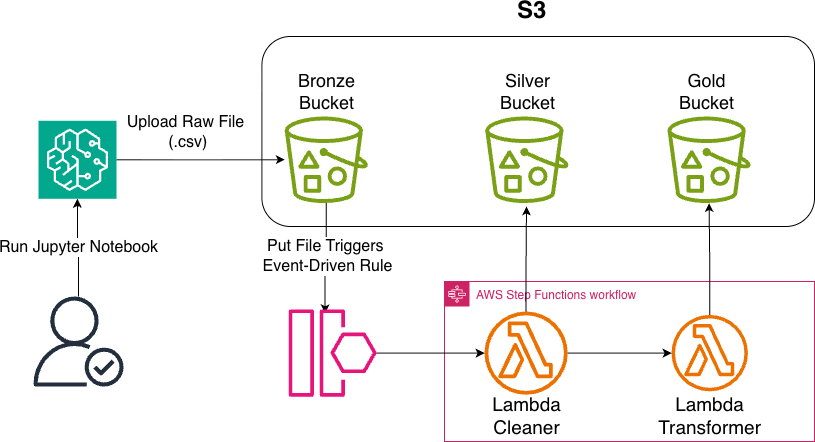
Problem: Accurate house-price models need large datasets moved through reproducible ML pipelines—manual notebooks alone do not scale.
Approach: Kaggle-based end-to-end pipeline on AWS: SageMaker notebooks, Lambda and Step Functions orchestration, EventBridge triggers, IAM-scoped access, S3 medallion layers, CloudWatch and RDS where needed, with Power BI for predictions, feature importance, and trends.
Results: Automated cloud-native pipeline from ingest through training and governed access, with stakeholder dashboards in Power BI.
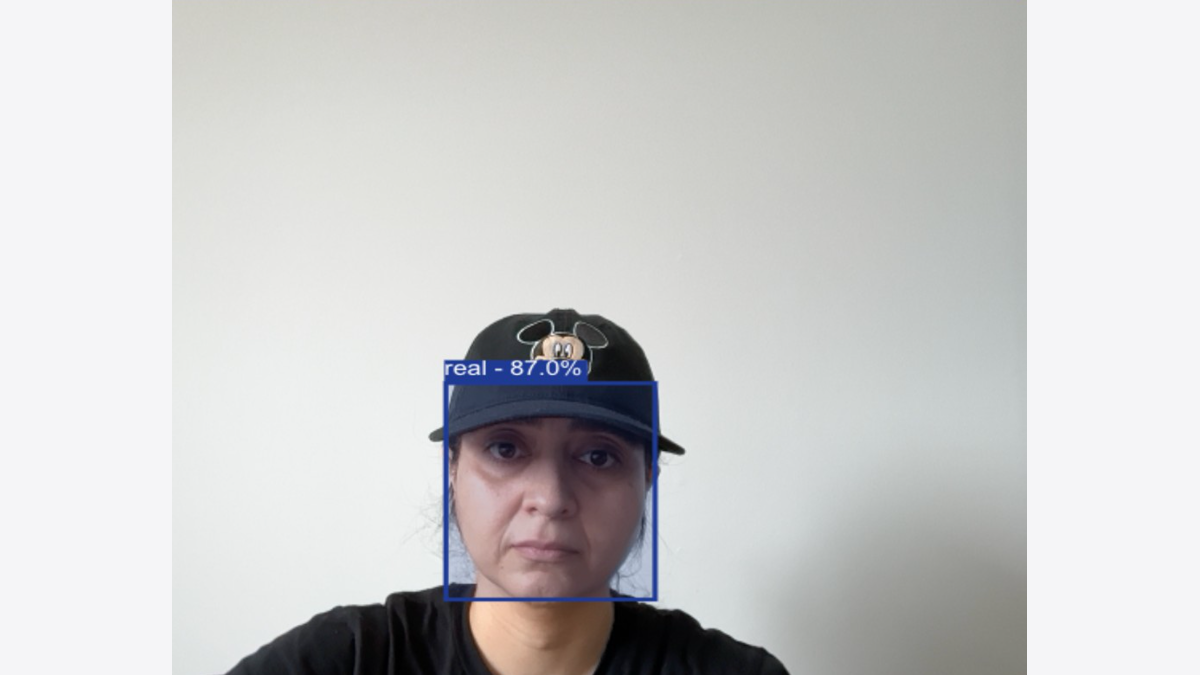
Problem: Face recognition is exposed to spoofing via prints, replays, and masks, weakening secure auth and monitoring.
Approach: Trained on 65,000+ images (~9 GB) of real vs. fake faces. Two-phase pipeline: YOLOv11 for live face localization, then a hybrid VGG16 + ResNet50 classifier for spoof detection—trained on Google Colab GPUs.
Results: 99.8% spoof-classification accuracy across diverse attack types.
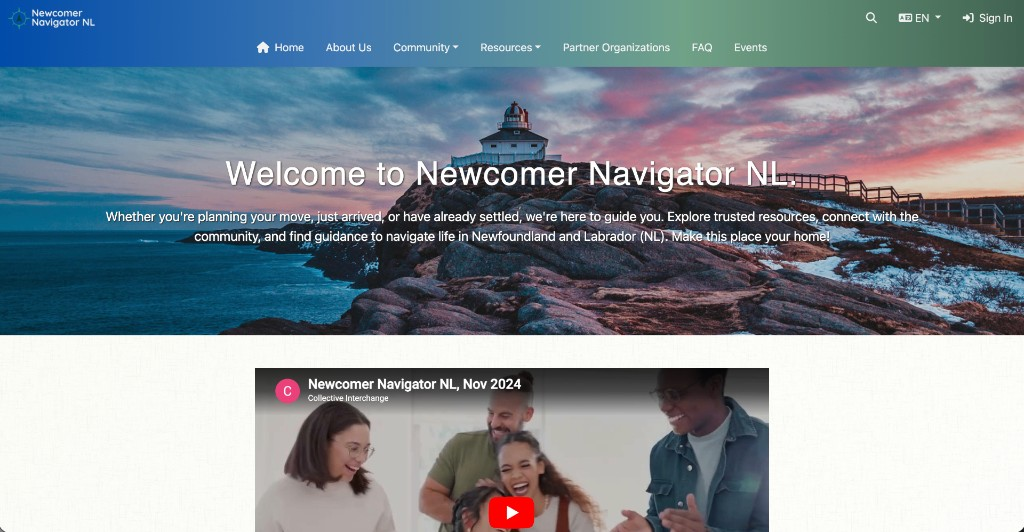
Problem: Newcomers to NL struggle to find reliable, centralized information on settlement, housing, health care, and community resources.
Approach: Backend API with FastAPI and MongoDB, Pydantic + Beanie for validation and ODM, Postman for API testing—structured to support a future newcomer-facing frontend.
Results: Actively developed API with validated settlement-resource endpoints and a scalable layout for the live product experience.
Earlier in my career, I designed and developed several enterprise applications:
All four ran as integrated modules within a large-scale ERP (Enterprise Resource Planning) system, sharing data across the enterprise.
A platform for auctioning vehicles with minor defects: each car is inspected and documented, then listed in an online auction and sold to the highest bidder.
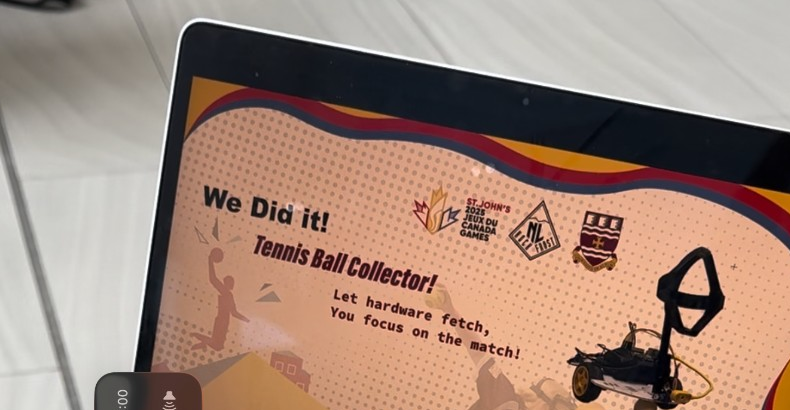
Below is a hardware build from a local hackathon—quick prototypes, real constraints, and a lot of learning in a short window.
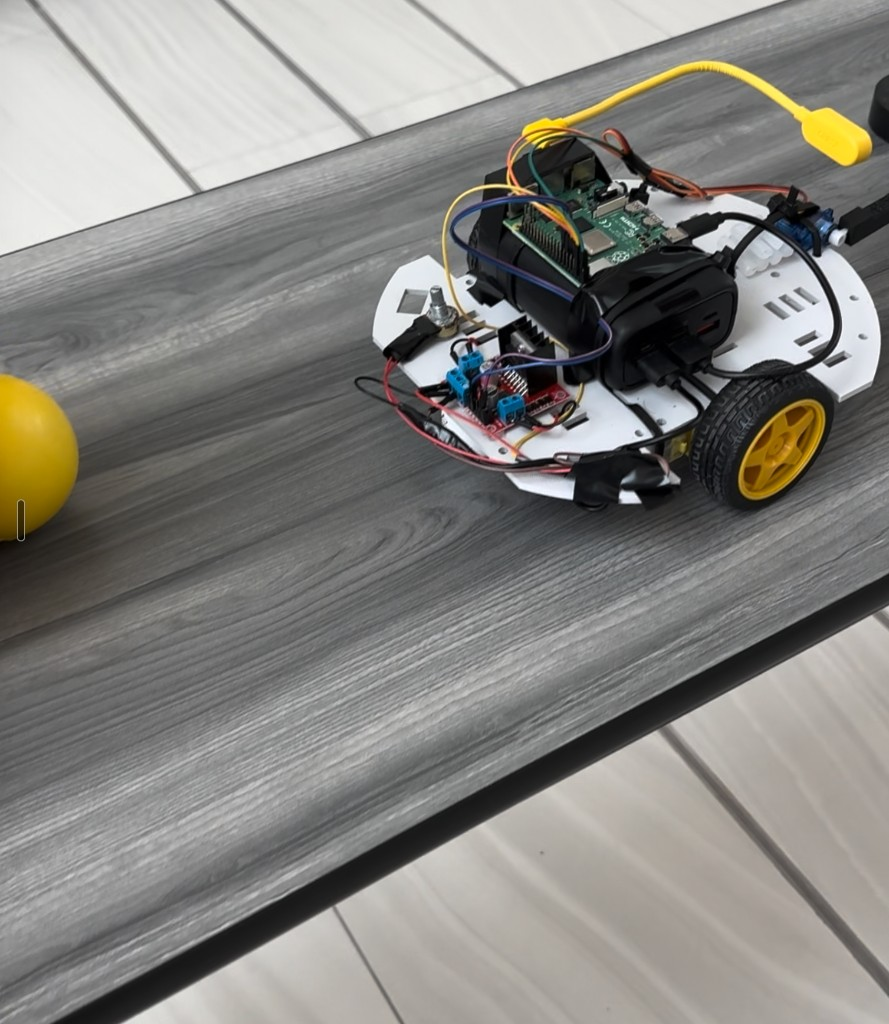
Project: TennisBall Collector
Small-scale mobile robot built around a Raspberry Pi with motor control, power management, and sensing—prototype hardware to detect and drive toward a tennis ball, with demo branding for NL community tech events.
Technologies and tools I work with
Professional Development
Memorial University
techNL
IBM
Community involvement
Digital literacy for seniors
Student Volunteer Movement (SVM)
Community food support
STEM outreach
Conferences
Community group (IMNL)